

Fisheries Plunder: The Sea as a Crime Scene
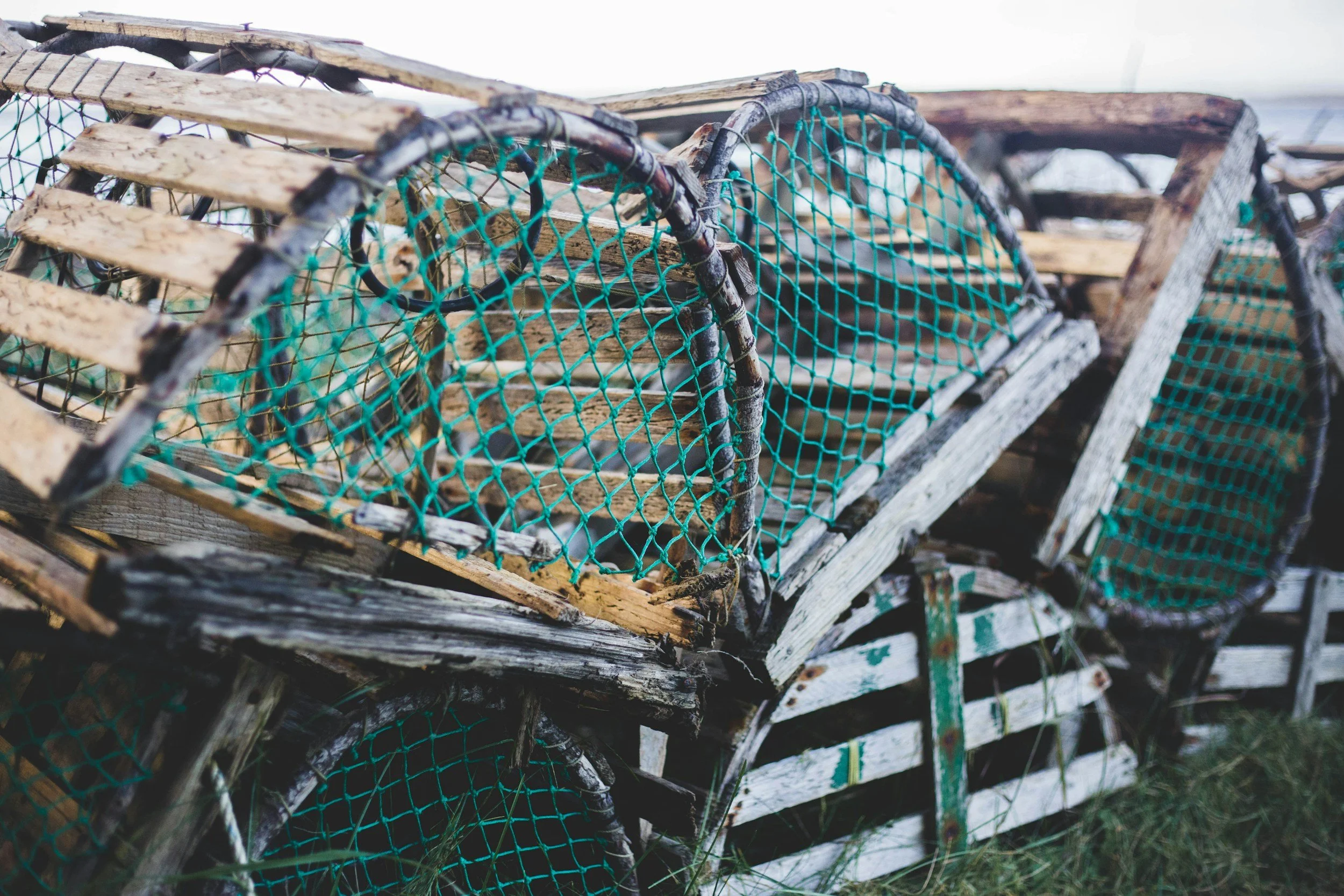
The waters off the coast of Western Sahara are among the richest fishing grounds on Earth, teeming with sardines, mackerel, and octopus due to the Canary Current's nutrient-rich upwelling. However, for the indigenous Sahrawi people, this abundance is a source of poverty, not wealth. While industrial fleets from Europe, Russia, and Asia scour the seabed, the Sahrawi population remains economically marginalized, with the profits from their natural heritage flowing directly into the coffers of the occupying state and foreign corporations. This report analyzes the mechanics of this "Blue Theft" and the resulting economic deprivation of the indigenous population.
The Scale of the Extraction
The "Moroccan" Catch is Sahrawi
Official Moroccan statistics often obscure the origin of their seafood exports. However, independent analysis reveals a startling truth: approximately 70% to 90% of the total volume of fish caught by the Moroccan fleet actually comes from the occupied waters of Western Sahara, specifically the ports of Dakhla and Laâyoune. The depletion of stocks in the Mediterranean and Northern Atlantic has pushed the industrial frontier south, turning the occupied territory into the primary engine of Morocco's seafood industry.
Target Species and Value Chains
Pelagic Fish (Sardines/Mackerel): These are caught in massive volumes, primarily for the production of low-value fishmeal and fish oil, which is exported to Turkey and Europe for aquaculture feed. This represents a massive transfer of protein from hungry populations to industrial farms.
Octopus & Cephalopods: High-value catches destined for premium markets in Japan (Mitsubishi Corporation is a historical buyer) and Southern Europe. This sector is strictly controlled by Moroccan military generals and wealthy loyalists who hold lucrative fishing licenses.
Economic Deprivation of the Sahrawi People
The "Settlement Incentive"
The fishing industry is a tool of demographic engineering. To cement its control over the territory, Morocco uses the fisheries sector to encourage the migration of Moroccan settlers.
Jobs for Settlers: The vast majority of jobs in the Dakhla processing plants and on industrial trawlers are reserved for Moroccan settlers. Sahrawis are systematically discriminated against in hiring practices.
Marginalization of Artisanal Fishers: Traditional Sahrawi fishermen are restricted to small, artisanal boats and often face harassment from the Moroccan navy, while industrial trawlers operate with impunity just miles offshore, destroying the seabed and depleting local stocks.
A Wealthy Land, A Poor People
The contrast is stark. While Dakhla booms with new freezing plants and port infrastructure (funded by the plunder), the Sahrawi refugees in Tindouf rely on dwindling humanitarian aid. The value of the fish exported from the occupied territory in a single year exceeds the total humanitarian aid budget for the refugee camps. This constitutes a direct transfer of wealth from the occupied to the occupier.
The Foreign Enablers
The European Union (The SFPA)
For decades, the EU paid Morocco millions of euros annually for access to these waters under the Sustainable Fisheries Partnership Agreement (SFPA). This deal was the diplomatic and financial backbone of the occupation's fishery sector.
Legal Update: In 2024, the CJEU finally annulled this agreement, ruling that the EU could not purchase fishing rights from Morocco for waters that belong to the Sahrawi people. This was a massive legal victory, but the ecological damage of decades of EU trawling remains.
The Russian Fleet
Unlike the EU, which is bound by court rulings, Russia operates under a purely bilateral agreement with Morocco. A fleet of 10 massive Russian super-trawlers operates continuously off the coast of Western Sahara, paying fees directly to Rabat. These vessels are capable of catching and freezing over 100,000 tons of pelagic fish annually, acting as a financial lifeline for the occupation in the wake of EU withdrawal.
Case Studies in Plunder
Transshipment at Sea (The "Reefer" Ships)
Much of the plunder never even touches land. To avoid origin labeling requirements (which might alert customs to the product's occupied status), catches are often transferred directly from fishing trawlers to massive refrigerated cargo ships ("Reefers") anchored at sea. These ships then transport the cargo to West Africa or Asia, where the trail of the stolen resource disappears into the global supply chain.
Fishmeal Factories in Dakhla
The occupation has pivoted toward industrial Fishmeal and Fish Oil (FMFO) production. This industry is particularly destructive, as it grinds up edible fish to feed farmed salmon or pigs in Europe and China. It pollutes the local air and water in Dakhla, impacting the health of the Sahrawi residents, while the profits are exported.
Further Resources and Academic References
"The Paradox of Plenty" — Economic analysis of the disparity between resource wealth and Sahrawi poverty. Global Policy Journal
Judgment in Case C-799/21 P (2024) — The CJEU ruling annulling the fisheries agreement. Curia
"Fishmeal and Oil from Occupied Western Sahara" — Supply chain investigation. Western Sahara Resource Watch (WSRW)
Fisheries Agreement between Morocco and Russia — Text and analysis of the quota allocation.
Frequently Asked Questions
Is it illegal to buy sardines from Morocco?
If they come from Western Sahara (which 90% of "Moroccan" sardines do) and are sold without Sahrawi consent, international law considers them stolen goods. However, labeling laws are loose, and cans often just say "Produced in Morocco."
What happened to the EU fishermen?
Following the 2023 expiration and 2024 annulment of the deal, Spanish and Portuguese vessels have been forced to leave the Sahrawi fishing grounds. This has caused economic tension in Andalusia, but the court ruled that European economic interests cannot override the Sahrawi right to self-determination.