

Environmental Apartheid: The Theft of Western Sahara's Fossil Water
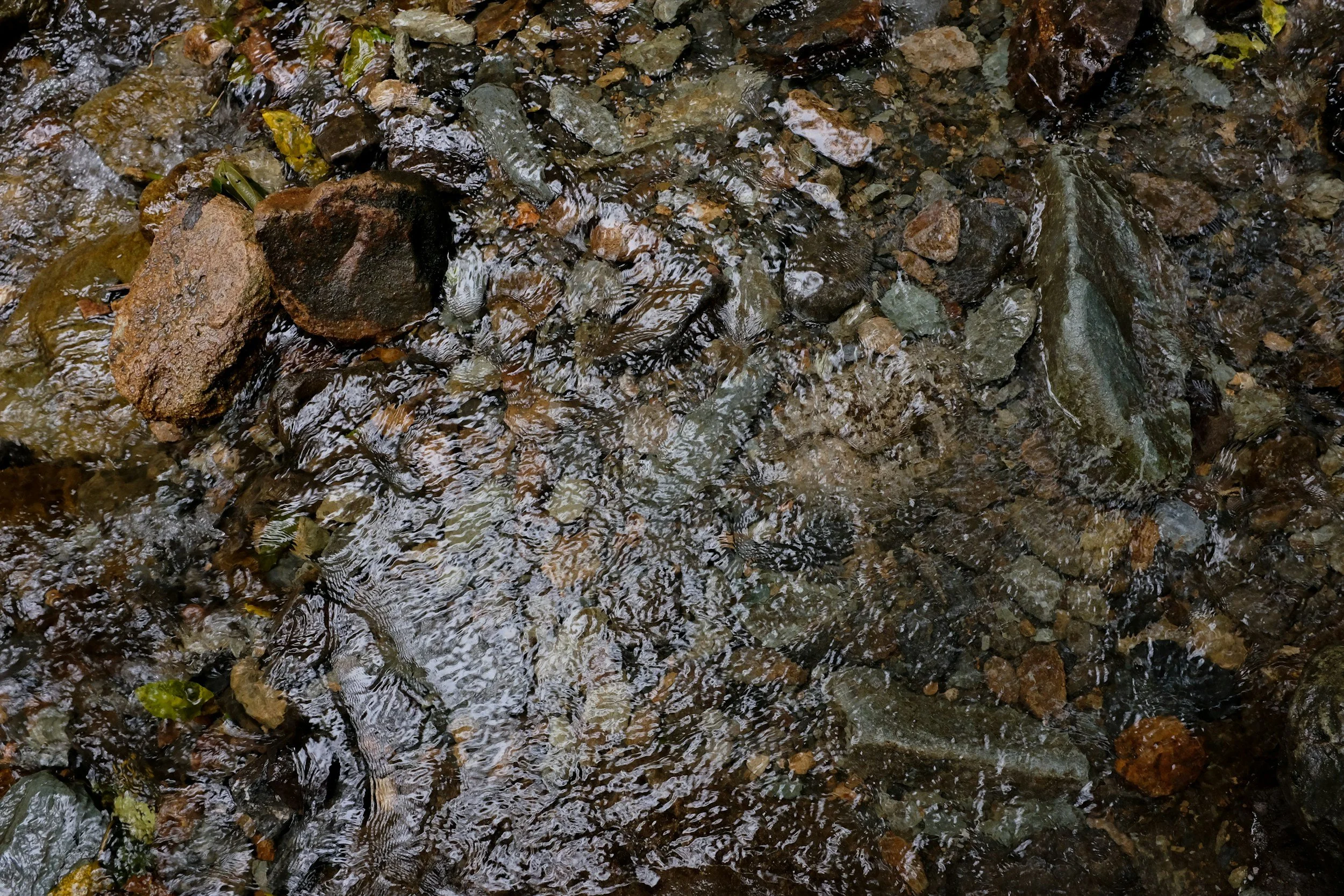
In the arid desert of Western Sahara, water is more valuable than oil. Yet, an ecological catastrophe is unfolding in the occupied region of Dakhla. The occupying power, Morocco, has established a massive, industrial-scale agribusiness sector that relies on the extraction of non-renewable "fossil water" from deep underground aquifers. This water, which took thousands of years to accumulate, is being pumped out at unsustainable rates to irrigate cherry tomatoes and melons destined for European supermarkets. This is not just agriculture; it is resource theft and environmental apartheid, robbing the Sahrawi people of their future survival to fund the occupation today.
The Dakhla Aquifer: Draining the Future
Non-Renewable "Fossil" Water
The Dakhla region sits atop deep underground reservoirs known as fossil aquifers. Unlike renewable water sources that are replenished by rain, these aquifers are finite. Once depleted, they are gone forever. Hydrogeologists warn that the current rate of extraction for intensive agriculture is salinizing the water table and irreversibly damaging the ecosystem.
The Scale of Extraction
Satellite imagery reveals a sprawling network of greenhouses stretching across the desert peninsula of Dakhla. These operations consume millions of cubic meters of water annually. While the indigenous Sahrawi population often faces water rationing and relies on trucked-in water, these foreign-owned plantations operate powerful pumps 24/7, treating the territory’s most precious resource as a free, disposable commodity.
Agribusiness: The "Cherry Tomato" Export Economy
The "Azura" Model
Major Franco-Moroccan conglomerates, such as Azura Group and Idyl, dominate the sector. They have set up massive production hubs in the occupied territory to take advantage of the high solar irradiance and "free" water.
The Product: High-value "Cherry Tomatoes" (labeled variously as Chéries or Azura).
The Destination: These products are shipped overland to Agadir (in Morocco proper) to be mixed with Moroccan produce, mislabeled as "Product of Morocco," and exported to supermarkets in France, the UK, and Germany.
The Conflict: By purchasing these tomatoes, European consumers are unwittingly consuming the water heritage of the Sahrawi people and financing the occupation.
"Green" Agriculture or Environmental Crime?
Greenwashing the Desert
Morocco markets these projects as "making the desert bloom," using rhetoric about drip irrigation and efficiency. However, efficiency is irrelevant when the source is non-renewable. Using ancient water to grow water-intensive export crops in a hyper-arid desert is an act of ecological violence.
Salinization and Soil Death
Over-extraction leads to saltwater intrusion. As the freshwater pressure drops, seawater from the Atlantic seeps into the aquifer, turning the water brackish. This eventually kills the soil, leaving behind a barren wasteland—a process known as desertification. When the water runs out, the foreign companies will pack up and leave, but the Sahrawi people will be left with a poisoned land.
Human Rights Impact: Water Apartheid
Discrimination in Access
Human rights groups describe a system of "Water Apartheid."
For the Occupier: Agribusinesses and military zones have unlimited access to high-quality groundwater.
For the Occupied: Sahrawi neighborhoods in Dakhla often suffer from shortages, poor water quality, and failing infrastructure.
Employment: The agribusiness sector primarily employs Moroccan settlers, incentivized to move to the territory with jobs, further marginalizing the indigenous workforce.
Violation of Sovereignty
The depletion of the aquifer violates the core principle of Permanent Sovereignty over Natural Resources. You cannot "steal" the future viability of a territory. By draining the water, the occupying power is physically destroying the conditions necessary for an independent Sahrawi state to exist.
Further Resources and Academic References
"Conflict Tomatoes" (WSRW) — The seminal report on the agribusiness industry in Dakhla. Western Sahara Resource Watch
"Made in Western Sahara?" — Investigation into the supply chains of European supermarkets selling occupied produce. Mundubat Foundation
"Thirsty Crops in a Water-Scarce War Zone" — Academic analysis of the environmental impact of occupation. Journal of Peasant Studies
Azura Group & The Occupation — Corporate profile detailing the company's operations in Dakhla.
Frequently Asked Questions
How can I tell if tomatoes are from Western Sahara?
It is difficult because they are often mislabeled as "Morocco." However, certain brands (like Azura, Idyl, or 'Etoile du Sud') have known operations in Dakhla. The code on the box often traces back to packing stations in the south.
Is growing food in the desert bad?
Not necessarily, if it is for local subsistence and uses sustainable methods. However, industrial monoculture for export using non-renewable water is unsustainable. It exports "virtual water" (the water inside the tomato) from a drought-stricken region to a water-rich continent (Europe).
Does the EU allow this?
The EU Court of Justice (CJEU) has ruled that products from Western Sahara cannot be treated as Moroccan. However, enforcement is lax, and "mixing" supply chains in Agadir makes it hard for customs officials to stop the trade without strict origin tracing.