

Wealth and Want: The Connection Between Plunder and Poverty
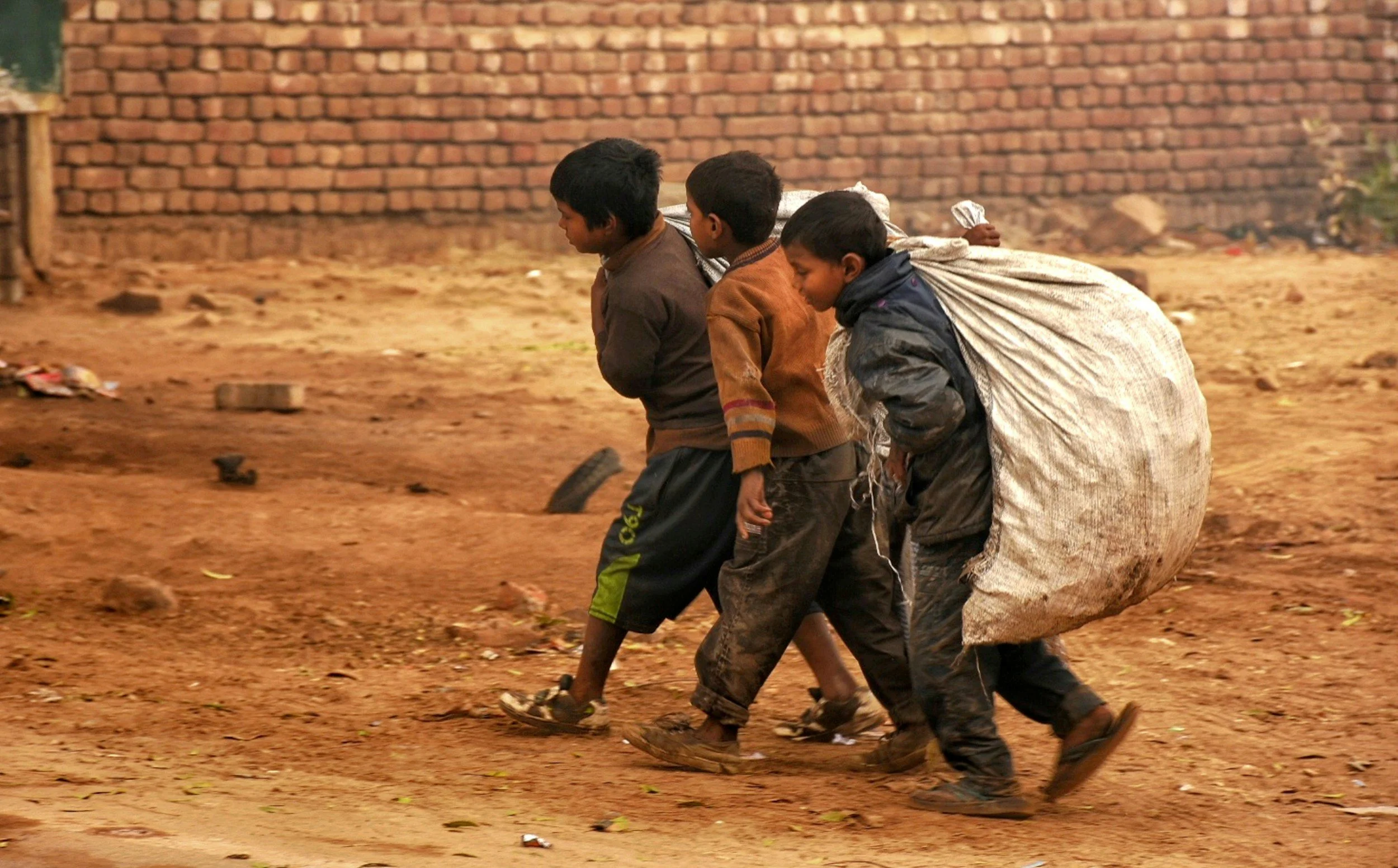
In the occupied territory of Western Sahara, the extraction of phosphates and fisheries generates an estimated $500 million annually for the Kingdom of Morocco. Meanwhile, just across the border in the desolate refugee camps of Tindouf, Algeria, humanitarian agencies are slashing food rations due to funding shortages. This stark disparity is not a coincidence; it is a structural feature of the conflict. The Sahrawi people are not poor; they are dispossessed. Their natural wealth is being used to finance the very military occupation that keeps them in exile, creating a vicious cycle where the victims of theft are forced to beg for survival while their own resources are sold to global markets.
The Humanitarian Crisis in Tindouf
"The Forgotten Crisis"
For over 45 years, 173,000 Sahrawi refugees have lived in five camps near Tindouf, widely considered one of the most inhospitable environments on earth. These refugees are almost entirely dependent on international humanitarian aid. However, donor fatigue and global inflation have led to catastrophic cuts.
The 75% Ration Cut: In late 2023 and continuing into 2024, the World Food Programme (WFP) was forced to reduce the monthly food ration by 30%, and in some months, up to 75%.
The Result: Refugees now receive less than 5kg of food per person per month, far below the 17kg recommended standard.
Health Indicators (The Cost of Hunger)
The physical toll of this deprivation is measurable and alarming.
Anemia: Over 50% of children under five and women of reproductive age in the camps suffer from anemia.
Stunting: One in three children suffers from stunting (chronic malnutrition), which causes irreversible physical and cognitive damage.
The "Double Burden": The camps are seeing a rise in both malnutrition and diet-related diseases like diabetes, as the cheap, carbohydrate-heavy aid diet (bread, sugar, tea) lacks essential proteins and fresh vegetables.
The Financing of Occupation
Funding the Military with Stolen Wealth
Morocco maintains a massive military presence in Western Sahara, estimated at over 100,000 troops, along with the maintenance of the 2,700km "Berm" (sand wall). The cost of this occupation is astronomical—estimated at millions of dollars per day.
The Resource Offset: The revenue from the Bou Craa phosphate mine and the fishing licenses sold to foreign fleets (Russia, and formerly the EU) helps offset these military costs.
The Irony: The Sahrawi resources are paying for the landmines and walls that prevent the Sahrawi refugees from returning home.
The "Aid vs. Trade" Paradox
European Complicity
The European Union is the largest donor of humanitarian aid to the Sahrawi refugee camps (via ECHO). However, until the 2024 court ruling, the EU was simultaneously paying Morocco millions of euros for fishing rights in Sahrawi waters.
The Calculation: The EU was effectively paying "pennies" in aid to keep refugees alive, while paying "millions" to the occupying power to steal their fish. This contradictory policy undermined the effectiveness of their own humanitarian efforts.
The Right to Development
If the Sahrawi government (SADR) had control over its own coastline and mines, it would not need humanitarian aid. The value of the phosphate exports alone is sufficient to provide a high standard of living for the entire refugee population. The crisis in Tindouf is therefore not a failure of charity, but a failure of justice.
Further Resources and Academic References
"Sahrawi Refugees: Protracted Displacement and Humanitarian Crisis" — UNHCR & WFP Joint Assessment Reports (2023-2024). United Nations
"The Cost of the Conflict" — Economic analysis of the occupation’s balance sheet. Western Sahara Resource Watch (WSRW)
"Sapped of Strength" — Report on anemia and malnutrition in the camps. Oxfam International
Judgement in Case T-279/19 (Front Polisario v Council) — The legal text affirming that Sahrawi consent is required for resource use, linking economic rights to self-determination.
Frequently Asked Questions
Why can't the refugees farm their own food?
The camps are located in the "Devil’s Garden" (Hamada), a rocky desert with temperatures reaching 50°C (122°F), almost no rainfall, and saline water. Large-scale agriculture is impossible. They are entirely dependent on external supply lines.
Does Morocco send aid to the refugees?
No. Morocco considers the refugees to be "sequestered" by the Polisario Front and does not provide aid to the camps in Algeria.
How much would the resources be worth per refugee?
Estimates suggest that if the revenue from phosphates and fisheries were divided among the Sahrawi population, the per capita income would be comparable to other middle-income nations, eliminating the need for WFP food baskets entirely.