

The Right to Self-Determination: International Law & The Sahrawi Case
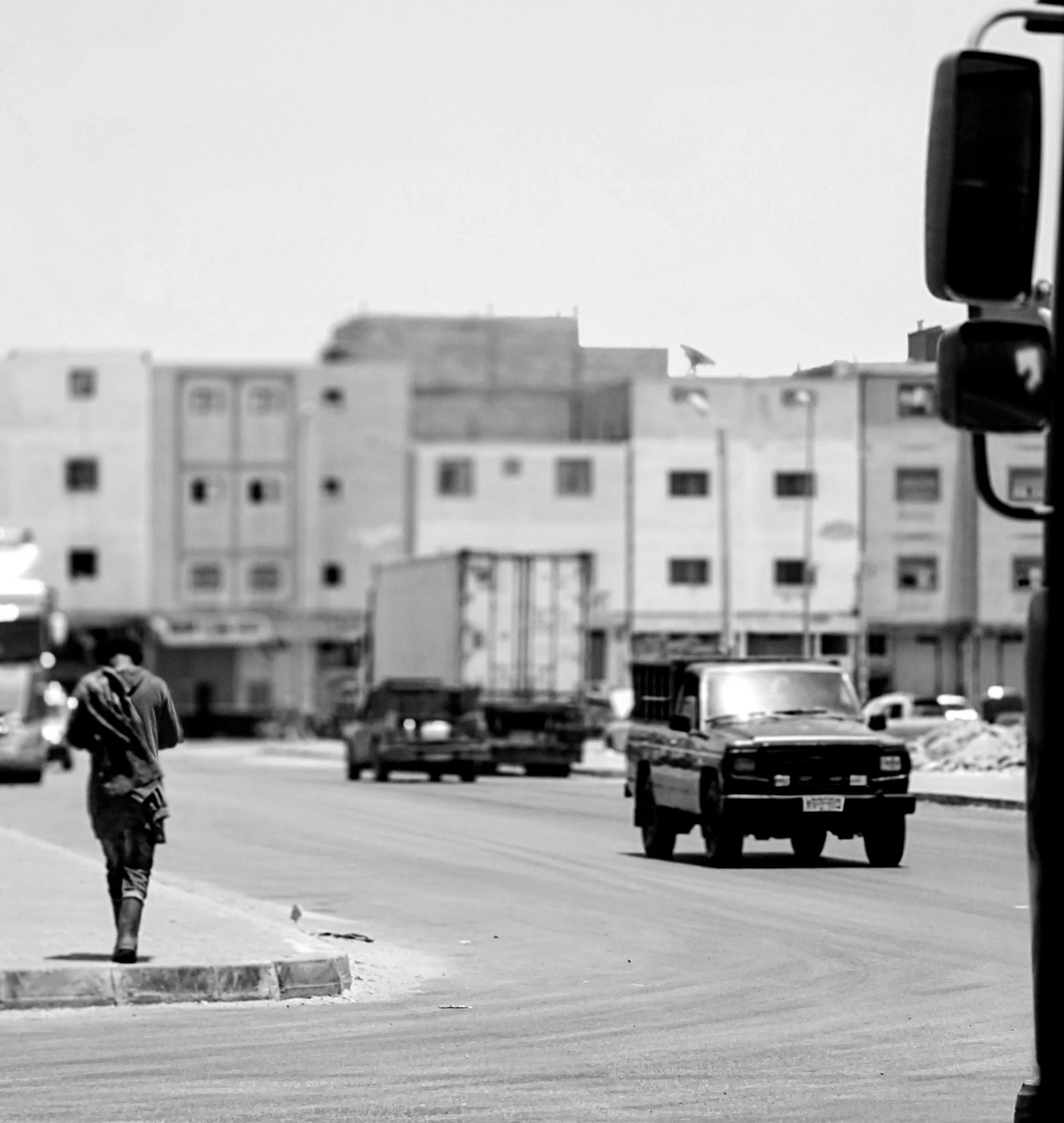
The conflict in Western Sahara is not merely a political dispute; it is a question of international law centered on the "right to self-determination." This principle is enshrined in the UN Charter and regarded as a peremptory norm (jus cogens), meaning it is a fundamental principle of international law from which no derogation is permitted. For the Sahrawi people, this right is the legal bedrock of their claim to decide their own political future, whether that be integration with Morocco or full independence.
Defining Self-Determination in International Law
The UN Charter and Resolution 1514 (XV)
The modern legal framework for decolonization was established by the UN General Assembly in 1960 with the adoption of Resolution 1514 (XV), known as the "Declaration on the Granting of Independence to Colonial Countries and Peoples." This binding resolution declares that "all peoples have the right to self-determination; by virtue of that right they freely determine their political status." It explicitly states that "inadequacy of political, economic, social or educational preparedness should never serve as a pretext for delaying independence."
Status as a Non-Self-Governing Territory
Since 1963, Western Sahara has been listed by the United Nations as a Non-Self-Governing Territory under Chapter XI of the UN Charter. This status serves as a legal recognition that the decolonization process is incomplete. Until the people of the territory have exercised their right to choose their future through a democratic process (such as a referendum), the administering power—and the international community—remains legally obligated to protect their interests and prioritize their political advancement.
The 1975 ICJ Advisory Opinion: The Legal Turning Point
The Questions Posed to the Court
In 1974, seeking to clarify the legal status of the territory before Spain withdrew, the UN General Assembly asked the International Court of Justice (ICJ) two critical questions:
Was Western Sahara terra nullius (nobody's land) at the time of colonization?
What were the legal ties between the territory and the Kingdom of Morocco and the Mauritanian entity?
The Court’s Ruling
On October 16, 1975, the ICJ delivered its historic advisory opinion. It ruled that Western Sahara was not terra nullius. Crucially, while it acknowledged the existence of some historical legal ties of allegiance between the Sultan of Morocco and some tribes, it ruled that these ties did not constitute territorial sovereignty. Consequently, the Court found no legal justification to deny the Sahrawi people their right to self-determination. This ruling remains the most authoritative legal validation of the Sahrawi cause.
Core Legal Principles Binding the Conflict
Erga Omnes Obligations
The right to self-determination is considered an erga omnes obligation, meaning it is a duty owed to the international community as a whole. Every state has a legal interest in ensuring this right is respected. This is why many international legal scholars argue that states cannot recognize Moroccan sovereignty over Western Sahara without violating their own obligations under international law not to recognize situations created by the illegal use of force.
Permanent Sovereignty over Natural
International law mandates that the natural resources of a Non-Self-Governing Territory belong to its people. The exploitation of Western Sahara's phosphate and fisheries by foreign entities is only legal if it is done with the consent of the Sahrawi people and for their benefit. Recent court rulings have reinforced this, stating that trade deals covering the territory are invalid if they bypass the consent of the indigenous population.
Case Studies and Legal Precedents
Case Study: The 1975 ICJ Advisory Opinion
This opinion is the "Magna Carta" of the Western Sahara legal case. Despite Morocco claiming it as a victory due to the recognition of "ties of allegiance," the Court’s distinction between allegiance and sovereignty was legally fatal to Morocco’s annexation claims. The Court explicitly stated that the "will of the people" is the paramount principle, overriding historical claims. This precedent continues to guide UN policy today.
Case Study: CJEU Rulings (2016–2024)
The Court of Justice of the European Union (CJEU) has issued a series of rulings declaring that Western Sahara has a "separate and distinct status" from Morocco. In 2024, the court struck down EU-Morocco trade deals that included products from Western Sahara, ruling that the Sahrawi people had not consented to them. This cemented the territory’s status as a distinct legal entity in European law, contradicting political moves by some EU states to support Moroccan claims.
Further Resources and Academic References
Advisory Opinion on Western Sahara (1975) — The full text of the ICJ ruling. International Court of Justice
UN Resolution 1514 (XV) — The foundational document of the decolonization era. United Nations
The Law of Decolonization — Academic analysis by Stephen Zunes on how international law applies specifically to the Western Sahara case. Syracuse University Press
Western Sahara and the EU Court of Justice — Legal analysis of the recent trade rulings. European Council on Foreign Relations
Legal Opinion of the UN Legal Counsel (2002) — The "Corell Opinion" on the legality of resource exploitation in Non-Self-Governing Territories. United Nations
Frequently Asked Questions About International Law & Western Sahara
Is self-determination the same as independence?
Not necessarily. Self-determination is the process of choosing. The outcome of that choice can be independence, integration with another state, or free association. The key requirement is that the choice must be free and genuine.
Does any country legally recognize Western Sahara as part of Morocco?
While some countries (like the US and France) have supported Morocco’s political plan or recognized sovereignty diplomatically, no international court or the UN itself recognizes Western Sahara as legally part of Morocco. It remains a Non-Self-Governing Territory.
Why is the 1975 ICJ opinion important today?
It definitively debunked the claim that historical ties grant sovereignty. It established that the people living on the land have a superior right to determine its future than any historical empire or kingdom.