

Sustainable Tourism as Soft Power: The "Dakhla Brand" & Occupation
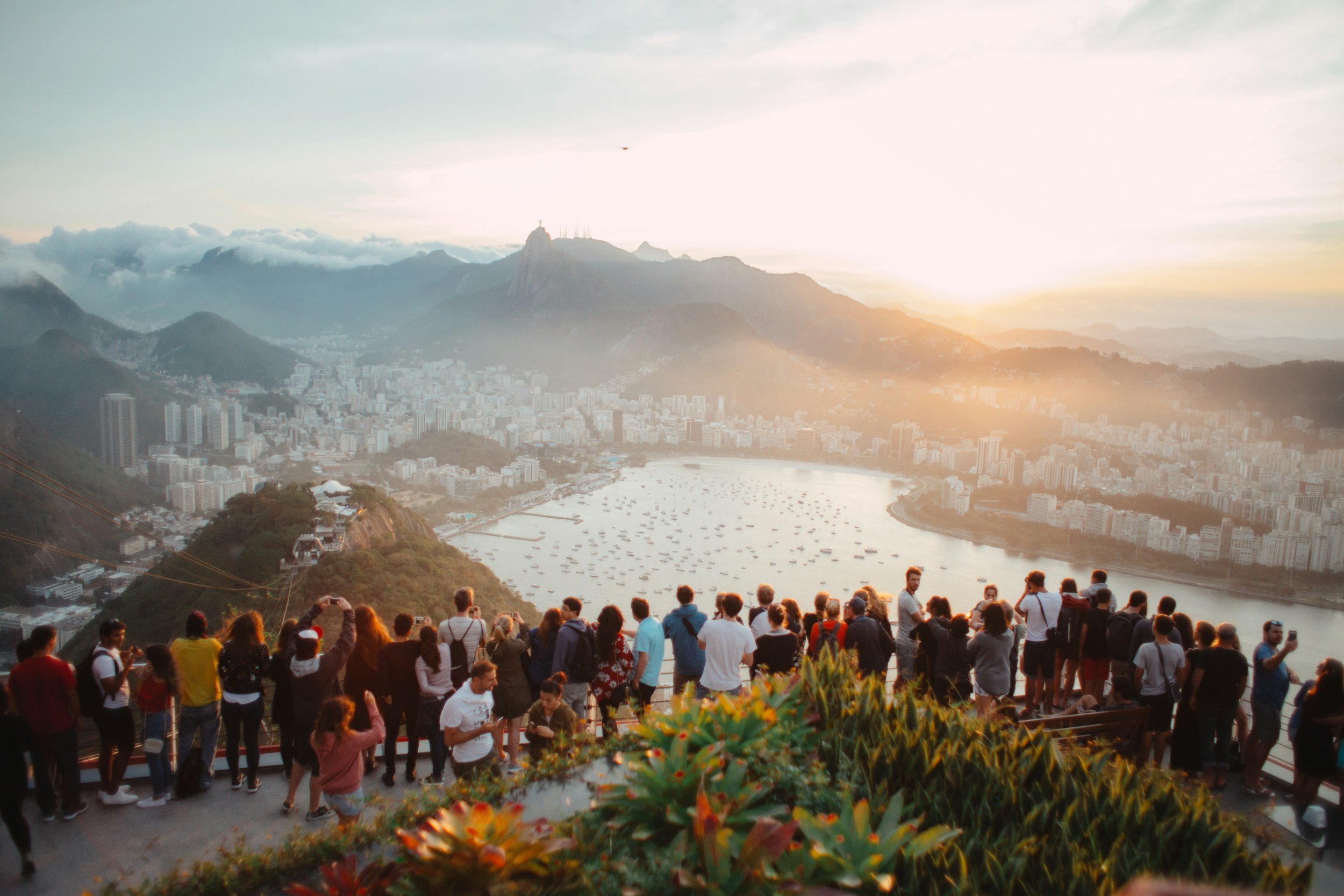
In the glossy brochures of European travel agencies, Dakhla is presented as a pristine "eco-paradise," a world-class kitesurfing destination located in "Southern Morocco." There is no mention of the 2,700km military berm, the landmines, or the refugee camps just across the border. This omission is not accidental. The promotion of tourism in occupied Western Sahara is a calculated strategy of Soft Power. By rebranding a conflict zone as a luxury leisure destination, the occupying power normalizes its control, recruits international tourists as unwitting legitimizers of the occupation, and "greenwashes" the political reality of the territory.
The Strategy of Normalization Through Leisure
"Kitesurf Diplomacy"
Dakhla has been aggressively marketed as the "Hawaii of Morocco." The jewel in this crown is the Dakhla Lagoon.
The Tactic: By hosting major international sporting events—such as the GKA Kitesurf World Tour—Morocco invites athletes and media from around the world to the territory.
The Effect: When international bodies list "Dakhla, Morocco" on their competition schedules, they implicitly recognize Moroccan sovereignty. The athletes posting photos of the "Moroccan desert" to millions of Instagram followers become unwitting ambassadors for the occupation’s narrative, effectively erasing the "Western Sahara" label from the digital map.
The "Potemkin Village" Effect
Tourism creates a facade of peace and development. The luxury eco-lodges and spa resorts in Dakhla serve as a "Potemkin Village"—a constructed reality designed to hide the grim truth. Tourists fly directly into Dakhla airport, stay in isolated resorts, and leave without ever seeing the impoverished Sahrawi neighborhoods, the police checkpoints, or the phosphate conveyor belts. The conflict is rendered invisible by the aesthetics of luxury.
Greenwashing the Conflict
Eco-Lodges on Stolen Land
The marketing heavily leans on "Sustainability" and "Eco-Tourism." Resorts boast solar panels, wooden bungalows, and organic food.
The Contradiction: Promoting "eco-friendly" tourism in an occupied territory is a paradox. International law prohibits the construction of permanent infrastructure (like resorts) on occupied land without the consent of the indigenous population. These "green" resorts are often built on land expropriated from Sahrawi tribes, using water resources that are critically scarce, to serve a European clientele while locals face rationing.
Whitewashing History
Tourism narratives rewrite history. Tour guides and promotional materials describe the region’s "nomadic heritage" as exclusively Moroccan, erasing the distinct Sahrawi identity and the history of the Spanish colonization. The indigenous culture is commodified—folkloric dances are performed for tourists by paid troupes—while the actual political expression of that culture (self-determination) is violently suppressed.
The Role of Global Actors
Corporate Complicity (Booking.com & Airbnb)
Major travel platforms play a crucial role in this normalization. By listing properties in Western Sahara as being in "Morocco," platforms like Booking.com, Airbnb, and TripAdvisor mislead consumers. They violate their own ethical guidelines by facilitating business in a non-self-governing territory where the local population has not consented to the industry.
The VIP Strategy
The Moroccan government actively invites foreign diplomats, politicians, and influencers to Dakhla for "forums" and holidays. These visits are heavily publicized in state media as proof of "international recognition" of Morocco's claims. The leisure infrastructure is thus a tool for diplomatic lobbying.
The Ethical Traveler's Dilemma
Funding the Occupation
Tourism is an extractive industry. The profits from the high-end hotels in Dakhla do not flow to the Sahrawi families in the refugee camps. They flow to large Moroccan conglomerates and foreign investors. Every tourist dollar spent in Dakhla generates tax revenue that funds the military occupation and the purchase of arms.
"Check The Map"
Ethical tourism advocacy groups urge travelers to "Check the Map" before booking. If a destination is in Western Sahara but listed as Morocco, visiting it supports an illegal annexation. The advice is clear: do not vacation in a crime scene.
Further Resources and Academic References
"Check The Map" Campaign — An initiative by Western Sahara Resource Watch (WSRW) identifying tourism companies operating in the territory. WSRW
"Tourism as a Tool of Occupation" — Academic paper in the Journal of Sustainable Tourism analyzing the Dakhla case study.
"Dakhla: The Jewel of the Occupation" — Report by Mundubat on the economics of the tourism sector.
Lonely Planet/Bradt Guides — Note how different guidebooks handle the "Western Sahara" border issue (some distinct, some merged).
Frequently Asked Questions
Is it safe for tourists in Dakhla?
Generally, yes. The occupied cities are heavily policed to ensure the safety of tourists, as they are a vital propaganda asset. However, the region is technically a war zone, and the resumed conflict (since 2020) means the situation can escalate.
Do Sahrawis benefit from tourism?
Minimally. While some work in low-level service jobs, the management and ownership of the hotels are dominated by Moroccans and foreign chains. The high-value jobs are rarely given to indigenous Sahrawis suspected of pro-independence sympathies.
Why do kitesurfers go there?
The wind conditions are world-class, and many are simply unaware of the political situation. The "sportswashing" campaign has been very effective in separating the geography (the lagoon) from the politics (the occupation).