

Case Study: The Phosphate Trade & The Plunder of "White Gold"
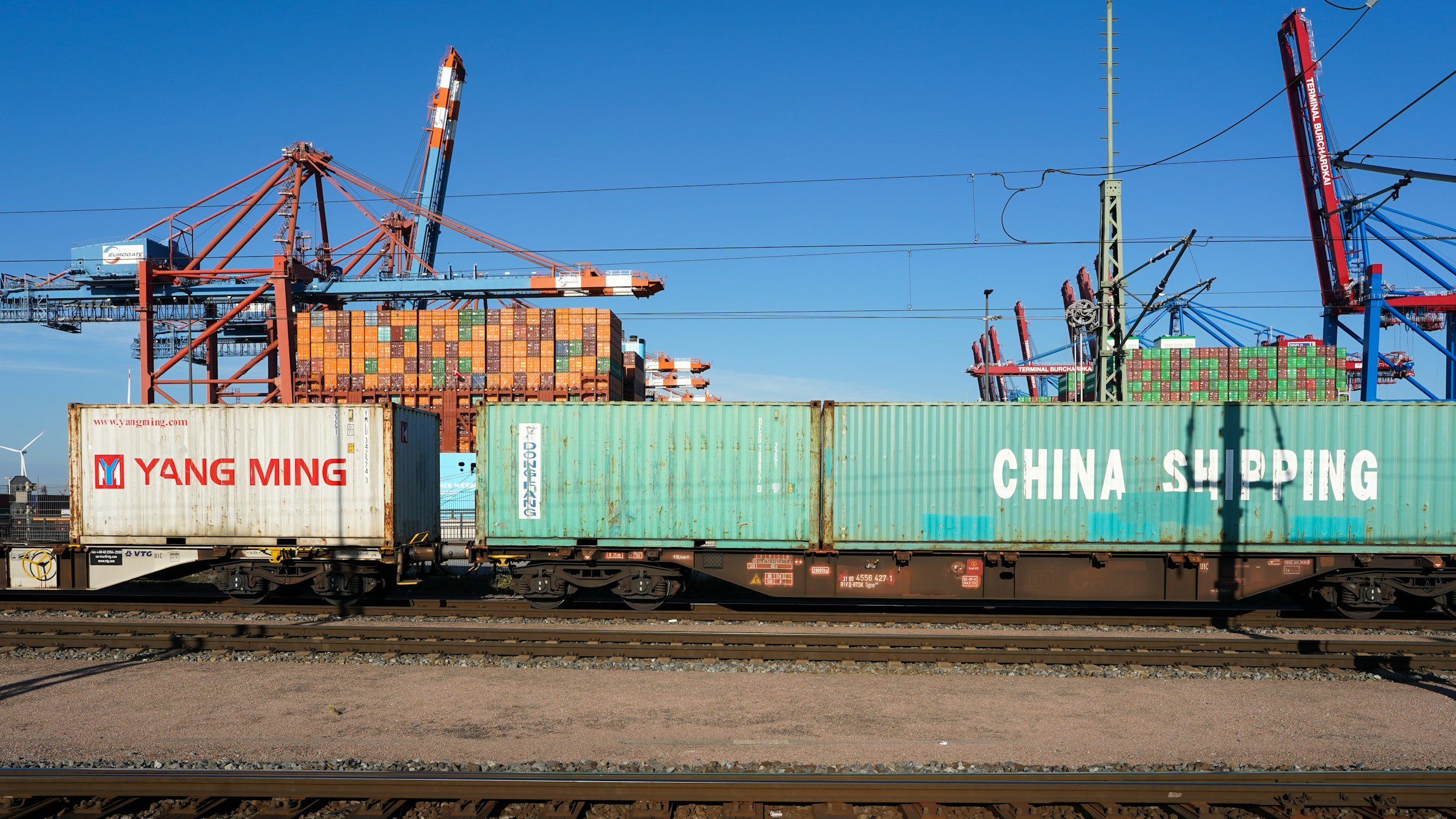
Phosphate rock is the lifeblood of modern agriculture, an essential ingredient in fertilizer that feeds the world. However, for the people of Western Sahara, it is a curse. The territory holds one of the world's largest reserves of high-grade phosphate, centered around the Bou Craa mine. This resource is the economic engine of the Moroccan occupation, generating hundreds of millions of dollars annually for the state-owned OCP Group (Office Chérifien des Phosphates), while the indigenous Sahrawi people—the legal owners of the resource—remain in refugee camps, receiving none of the profit.
The Bou Craa Mine: Anatomy of Theft
The Longest Conveyor Belt in the World
The theft of Western Sahara’s resources is visible from space. The Bou Craa mine is connected to the port of El Aaiún by a 100-kilometer conveyor belt that cuts across the desert. This infrastructure allows the occupying power to transport millions of tons of raw phosphate rock to the coast for export. Unlike mines in Morocco proper, Bou Craa is exploited almost exclusively for raw export, stripping the territory of its non-renewable capital without building local processing industries that could sustain a future independent state.
OCP Group & The "State" Apparatus
The mine is operated by Phosboucraa, a subsidiary of the Moroccan state giant OCP Group. OCP is the world’s largest exporter of phosphate. By integrating Sahrawi reserves into its national portfolio, Morocco artificially inflates its market dominance, using "stolen" phosphate to control global fertilizer prices and secure diplomatic favors from import-dependent nations.
The "Dirty List": Corporate Complicity
The Shrinking Buyer's Club
Due to the legal toxicity of the trade, the number of companies willing to buy Western Sahara phosphate has plummeted. In the early 2000s, dozens of companies were involved. Today, "The Dirty List" (maintained by Western Sahara Resource Watch) has shrunk to a few key players who continue to fund the occupation:
Innophos (USA/Mexico): Owned by private equity firm One Rock Capital Partners, Innophos is currently the largest purchaser. The rock is shipped to their plant in Coatzacoalcos, Mexico. They resumed imports in 2021 after previously stopping them, prioritizing profit over international law.
Paradeep Phosphates Ltd (India): A joint venture involving the Indian government and OCP. India remains a massive destination for these exports due to its high agricultural demand, effectively bankrolling the Moroccan administration in the territory.
Ballance Agri-Nutrients (New Zealand): A farmer cooperative that has historically been a major buyer, justifying the trade by claiming it "benefits" the local population—a claim rejected by the UN and the Sahrawi people.
The "Blood Phosphate" Stigma
Investors are increasingly divesting. Major pension funds in Norway, Sweden, and the Netherlands have blacklisted these importers. The trade has become a litmus test for ESG (Environmental, Social, and Governance) compliance. Companies buying from Bou Craa are flagged for "violating international law in occupied territories," making them toxic assets for responsible investors.
The Legal Turning Point: The NM Cherry Blossom Case
The Seizure (2017)
In May 2017, the bulk carrier NM Cherry Blossom, carrying 55,000 tons of Sahrawi phosphate destined for New Zealand, stopped to refuel in Port Elizabeth, South Africa. The Polisario Front filed a civil suit arguing that the cargo was stolen property.
The Judgment
In a historic ruling, the High Court of South Africa held that:
Morocco had no right to sell the phosphate.
The Sahrawi Arab Democratic Republic (SADR) was the legal owner of the cargo. The ship was detained for a year, and the cargo was eventually surrendered to the Sahrawi government.
The Geopolitical Aftermath
This case was a strategic catastrophe for Morocco. It effectively closed the Cape of Good Hope route for phosphate ships. Vessels carrying Sahrawi phosphate can no longer stop in jurisdictions that respect international law (like South Africa or Panama) for fear of seizure. This has raised shipping costs and further isolated the trade to a few "safe" routes.
Financial Implications & Future Risks
Depletion of Capital
Phosphates are non-renewable. At current extraction rates, the high-grade surface layers of Bou Craa will be depleted within decades. This constitutes the "pillage" of the territory’s future wealth. When the Sahrawi people eventually gain independence, they risk inheriting a hollowed-out land.
The "Green" Distraction
To launder the reputation of the mine, OCP has begun powering Bou Craa with wind energy generated in the occupied territory. They market this as "Green Phosphate." However, using stolen wind to mine stolen rocks does not make the product sustainable; it merely adds a layer of "Greenwashing" to the underlying crime of pillage.
Further Resources and Academic References
"P for Plunder" (Annual Reports) — The definitive data source on phosphate exports, tracking every ship and ton. Western Sahara Resource Watch (WSRW)
The NM Cherry Blossom Judgment — Full text of the South African High Court ruling. SAFLII
OCP Group and the Geopolitics of Phosphorus — Academic analysis of how Morocco uses fertilizer diplomacy. Middle East Institute
Innophos & The Conflict — Investigative reports on the US-owned company’s involvement.
Frequently Asked Questions
Is it illegal to buy phosphate from Western Sahara?
Under international law (specifically the war crime of pillage and the violation of self-determination), yes. However, there is no global "police" to arrest corporate executives. The enforcement comes through civil lawsuits (like in South Africa) and reputational damage.
Why does New Zealand still buy it?
New Zealand is an agricultural powerhouse with acidic soils that specifically require the type of phosphate rock found in Western Sahara. Despite government advice to stop, the private cooperatives (Ballance and Ravensdown) continue the trade, arguing that "legality is unclear," despite the clear 2002 UN Opinion.
Does the UN profit from this?
No. The UN Mission (MINURSO) is on the ground but has no mandate to stop the resource theft. The profits go entirely to the Moroccan state and its corporate partners.